
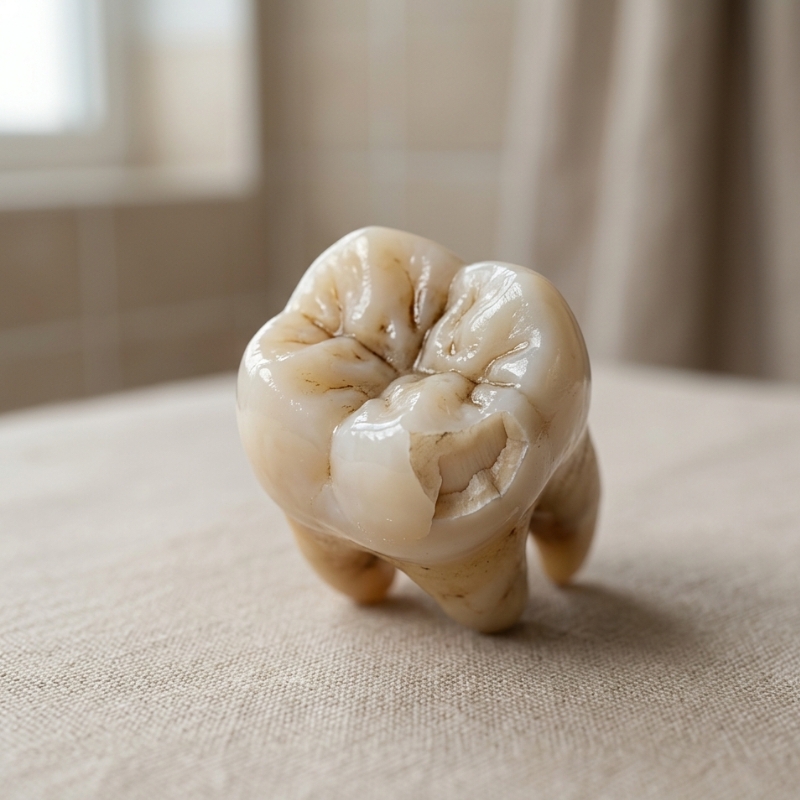
A chipped tooth can be anything from a tiny rough edge you barely notice to a deeper break that exposes sensitive inner layers of the tooth. The tricky part is that your tooth can look “not too bad” while still being vulnerable to cracking further, becoming infected, or eventually requiring dental crowns if the damage gets worse.
This guide is designed for Melbourne readers who want clear, practical next steps: what to do right away, how to tell if it’s urgent, what not to do, and what the dentist is usually checking for.
First: a quick severity check you can do at home
A simple way to triage is to think in three levels: minor, moderate, and urgent.
Minor (often can wait a short time, but still should be checked)
• A small chip with no pain
• A slightly rough edge that catches your tongue
• Mild sensitivity to cold air or cold drinks that settles quickly
• No bleeding, swelling, or change in how your teeth meet
Moderate (book soon so it doesn’t worsen)
• Sensitivity that lingers for 20–30 seconds after cold
• Pain when biting down or releasing your bite
• A larger piece is missing, or the tooth feels “weaker” than usual
• The chip is near a large old filling
• You’re avoiding chewing on that side
Urgent (same-day / after-hours assessment is sensible)
• Bleeding that doesn’t stop with pressure after 10–15 minutes
• Swelling of the gum/face, a pimple-like bump, or a bad taste
• Severe pain, especially throbbing or waking you at night
• A break that looks deep (yellow/brown dentine showing, or red/pink)
• Trauma to the face/jaw, loosened tooth, or your bite suddenly feels “off”
• Fever or feeling unwell after the injury
If you’re unsure, treat it as moderate-to-urgent until assessed—because the main risk is the tooth cracking further or bacteria getting into deeper layers.
What to do immediately after you chip or break a tooth
The first hour is mostly about protecting tissues, controlling pain safely, and preventing the break from worsening.
1) Rinse gently
Use lukewarm water to rinse debris. If your gum is bleeding, rinse gently—don’t swish aggressively.
2) If there’s bleeding, use pressure
• Fold clean gauze (or a clean cloth) and apply firm pressure to the area
• Hold for 10 minutes without constantly checking
• If it continues beyond 10–15 minutes, that’s a red flag
3) Reduce swelling and pain with a cold compress
Hold a cold pack wrapped in a cloth on the cheek for 10 minutes on, 10 minutes off.
4) Protect sharp edges so you don’t slice your tongue/cheek
If the tooth feels sharp:
• Dental wax (from a chemist) can be pressed over the edge
• In a pinch, sugar-free chewing gum can act as a temporary cover
• Avoid superglue or household adhesives (they’re not safe for this)
5) Avoid chewing on that tooth
Even if it doesn’t hurt much, chewing can turn a small fracture into a larger break.
6) Consider pain relief options that are safe for you
General options many people use include paracetamol or ibuprofen, following the label directions (and avoiding ibuprofen if you can’t take anti-inflammatories). If you have medical conditions, take blood thinners, are pregnant, or have allergies, follow your clinician’s advice.
Save the broken piece if you can
If you find the fragment:
• Pick it up carefully
• Rinse briefly with water (don’t scrub)
• Store it in milk or saline if available, or a clean container with a little water
• Bring it to the appointment
Even if it can’t be reattached, it can help the dentist understand how the tooth broke and whether the fracture pattern suggests deeper cracking.
Common causes in real life (Melbourne edition)
A lot of tooth fractures happen during ordinary moments, not dramatic accidents:
• Crunching ice, hard lollies, popcorn kernels, pork crackling, or crusty bread
• Weekend sport contact (footy, netball, hockey, basketball)
• A fall on concrete, tiles, or along coastal walks
• Teeth grinding/clenching (often worse during stress)
• Old large fillings that weaken tooth walls over time
If the chip happened while eating something that “shouldn’t” break a tooth (like soft bread), it can be a sign the tooth was already compromised.
Signs the break might be deeper than it looks
Lingering cold sensitivity
A quick zing that stops fast is often superficial. Sensitivity that lingers can indicate dentine exposure or inflammation closer to the nerve.
Pain when biting or on release
This can be a sign of a crack line that flexes under pressure—sometimes the tooth hurts more when you let go than when you bite down.
The tooth feels “taller”, or your bite feels different
If the fracture changes the biting surface, you may start hitting that tooth first. That can worsen the crack quickly.
Gum swelling, a bad taste, or a pimple-like bump
These can point to infection or a draining sinus. Even without severe pain, it matters.
Visible colour change (pink/red) in the broken area
This can suggest deeper involvement closer to the nerve. Treat this as urgent.
What not to do (even if it seems logical)
Some well-meaning fixes make things worse:
• Don’t chew on the tooth “to see if it’s okay”
• Don’t ignore it because it doesn’t hurt—cracks can progress quietly
• Don’t use household glue or “DIY fillings” from unknown sources
• Don’t pick at the tooth edge with fingernails or tools
• Don’t keep eating hard foods on that side “carefully” (it rarely stays careful)
What the dentist is assessing (and why it matters)
When you’re seen, the main goal is to determine:
• How deep the fracture goes
• Whether the nerve (pulp) is inflamed or exposed
• Whether there’s an infection risk
• Whether the tooth structure is stable enough to hold a repair long-term
They’ll usually check:
• Bite marks and pressure points (because bite stress drives crack growth)
• Cold tests (to see nerve response)
• X-rays (to assess roots and detect some fracture patterns)
• Gum health and any swelling or abscess signs
Not every crack shows clearly on X-ray, which is why the symptom story and bite testing can be just as important.
Repair pathways you might hear (in plain English)
There isn’t one “standard fix” for all chips. Dentists match the repair to how much tooth is missing, where the break is, and how much chewing force that tooth takes.
Smoothing and edge repair
For tiny chips that mainly feel sharp, smoothing or a small bonded repair may be enough.
Bonding (tooth-coloured composite)
Often used for small-to-medium chips, especially on front teeth. It can be a good cosmetic and functional patch, though it may chip again if you grind or bite hard objects.
Onlays or overlays
These cover a larger portion of the biting surface and cusps, useful when the tooth is weakened but not destroyed. They’re often a “middle ground” between a filling and full coverage.
Full coverage restoration
When a tooth has lost significant structure, dentists often recommend coverage that braces the remaining tooth and reduces the chance of it splitting. This is where discussions like crown support for a cracked tooth may come up as one possible pathway, depending on your situation.
Root canal treatment (sometimes)
If the nerve is irreversibly inflamed or exposed, root canal treatment may be needed before the tooth can be protected long-term. Not every crack needs this—but ongoing severe pain, lingering sensitivity, or signs of infection make it more likely.
Q&A: “Is a chipped tooth an emergency?”
It depends less on how it looks and more on symptoms.
It’s more likely urgent if:
• There’s persistent bleeding, swelling, or severe pain
• The tooth is loose, or your bite has changed suddenly
• There’s a deep break with strong sensitivity or visible colour change
• The injury involved facial trauma
If it’s a small chip with no pain, you can usually manage it briefly with sharp-edge protection and avoiding chewing on it—but it’s still smart to have it assessed soon so the chip doesn’t propagate into a bigger fracture.
Q&A: “Why does it hurt when I bite after a tooth chips?”
Pain when biting (especially on release) is often linked to micro-movement in a crack line. Every bite can act like a wedge, widening the crack. That’s why “testing it” repeatedly can quickly turn a manageable crack into a tooth that splits.
What helps until you’re seen:
• Chew on the opposite side
• Stick to softer foods (eggs, yoghurt, pasta, soups—not piping hot)
• Avoid very hot/cold extremes if you’re sensitive
• Consider a cold compress externally for soreness
Q&A: “Should I use clove oil or home remedies?”
Clove oil can irritate gum tissue if overused and isn’t a fix for a fracture. If you’re relying on home remedies to get through pain, that’s a sign the tooth likely needs assessment. Focus on protecting the area and avoiding chewing forces rather than putting strong substances directly on tissues.
For trusted Australian guidance on dental injuries, you can also cross-check advice with Healthdirect’s dental injury information.
A practical “tonight plan” if it happens after hours
If you chip/break a tooth at night or on the weekend:
• Rinse, control bleeding, and use a cold pack
• Cover sharp edges with dental wax
• Sleep with your head slightly elevated if throbbing
• Avoid alcohol and very hot drinks (they can worsen sensitivity)
• Stick to soft foods and don’t chew on the affected side
• If swelling, fever, or severe pain escalates, treat it as urgent
Prevention: how to stop it happening again
Once you’ve had one chip or crack, prevention becomes much easier than repeat repairs.
Wear a mouthguard for sports
If you play contact sports—even social—mouthguards dramatically reduce chip and fracture risk.
Address grinding/clenching
Grinding is a major driver of cracks. If you wake with jaw tension or headaches, or your teeth look worn flat, ask about protective options. This ties closely to long-term tooth protection strategies that reduce bite stress and protect weakened teeth over time.
Avoid “tooth tests”
Don’t use teeth as tools (opening packets, biting nails), and avoid chewing ice or hard lollies.
Be cautious with old, large fillings
Teeth with big old fillings are more likely to crack because the remaining walls are thinner. If you’ve had a filling for many years and the tooth is starting to feel fragile, it’s worth a proactive check before it breaks.
How dentists decide between a larger filling and extra coverage
This is one of the most common points of confusion: why a dentist might suggest something more protective than “just a filling.”
Factors that push the decision toward more support include:
• The break involves a cusp (the pointy chewing edge)
• The missing portion is large
• There are existing large fillings
• The tooth takes heavy chewing forces (back teeth)
• There’s an existing crack line that could spread
• You grind/clench
If you want a simple explainer of that decision-making logic, this page on how to tell if you need a crown or filling can help you understand the “why” behind common recommendations (without needing to memorise dental terminology).
FAQ
Can a chipped tooth get infected?
Yes. If the crack allows bacteria to travel deeper toward the nerve, the risk of infection rises. Swelling, a pimple-like bump on the gum, a bad taste, or fever are warning signs.
How long can I wait with a broken tooth?
A tiny, painless chip might wait a short time, but moderate symptoms (pain when biting, lingering sensitivity, larger missing piece) should be assessed soon to prevent progression. Urgent symptoms (swelling, uncontrolled bleeding, severe pain, deep fracture appearance) shouldn’t wait.
What if the broken tooth doesn’t hurt?
It can still be serious. Some cracks don’t hurt until they spread or the nerve becomes inflamed. Protect the tooth from chewing forces and get it checked.
What can I use to cover a sharp tooth?
Dental wax from a chemist is ideal. Sugar-free chewing gum can work temporarily. Avoid glues and harsh chemicals.
Is it okay to eat on a chipped tooth?
It’s better not to. Chewing can worsen fractures. Choose soft foods and chew on the other side until assessed.
Should I save the tooth fragment?
Yes, if you can find it. Store it in milk or a clean container and bring it along.