
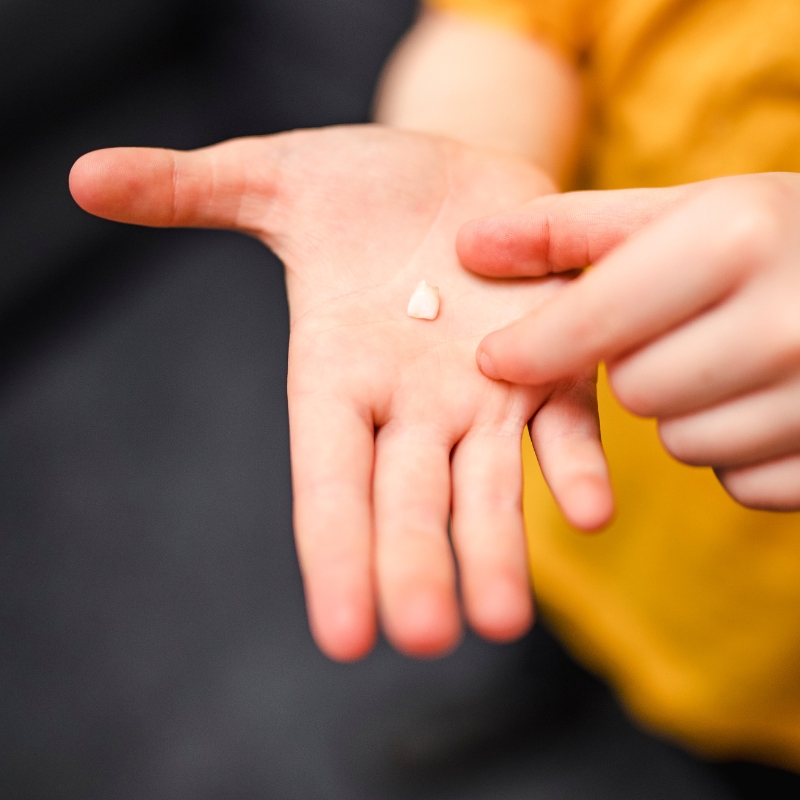
Losing a tooth as an adult can feel surreal. One moment you’re biting into a banh mi, taking a bump in a weekend footy match, or crunching through ice, and the next you’re staring at a gap and wondering what on earth to do now.
The good news: the “right next step” depends on how the tooth was lost. A tooth knocked out in an accident is handled very differently from a tooth that “fell out” because it was already compromised by decay or gum disease. This guide walks you through the first 10 minutes, the first 24 hours, and the first 7 days—plus what to avoid, what’s urgent, and how to protect your smile while you work out a long-term plan.
First, work out which situation you’re in
Use this quick check to choose the right path.
Situation A: The whole tooth came out suddenly after an accident
This is often from a sport, a fall, a bike crash, or getting hit in the face. The tooth may look “whole” (crown and root).
Situation B: The tooth “fell out” with little force (or you felt it was loose for a while)
This is more commonly linked to gum disease, infection, or severe decay. The tooth may have been wobbly, sore, or the gums may have been bleeding for days/weeks.
Situation C: The tooth didn’t fully come out, but it snapped or crumbled
This is a broken tooth. You might have fragments, sharp edges, or a visible hole.
Situation D: It’s a child’s tooth (baby tooth) rather than an adult tooth
This matters a lot. A knocked-out baby tooth is usually not put back in.
If you’re not sure which situation fits, treat it like an emergency: keep the tooth or fragments safe and get an urgent assessment.
The first 10 minutes: what to do right away
1) Check for bigger injuries first
If the tooth loss came with a heavy fall, loss of consciousness, uncontrolled bleeding, severe facial swelling, or suspected jaw fracture, prioritise emergency medical care.
2) Control bleeding safely
• Fold clean gauze (or a clean cloth) and apply firm pressure to the socket/gums for 10 minutes
• Stay upright and avoid constant spitting (it can restart bleeding)
• If bleeding doesn’t slow or if you feel faint, treat it as urgent
3) Find the tooth or pieces
If it was knocked out, try to locate the tooth quickly. If it broke, gather the fragments. Put them somewhere safe and clean.
4) If it’s an adult tooth that was knocked out: time matters
For a knocked-out adult (permanent) tooth, immediate action can improve the chance of saving it. Some health authorities advise that an adult tooth may be placed back into the socket as soon as possible, while avoiding reinserting baby teeth.
If you’re confident it’s an adult tooth and it’s intact:
• Handle it by the crown (the white biting part), not the root
• If it’s dirty, gently rinse briefly with milk or saliva—don’t scrub it, don’t scrape the root
• If you can, place it back into the socket facing the right way and bite gently on gauze to hold it
• If you can’t reinsert it, store it correctly (next step) and seek urgent dental advice
5) Store the tooth the right way if it’s out
If you can’t put it back:
• Keep it moist
• Good options include milk or saliva (for example, inside the cheek if the person is old enough not to swallow it)
• Avoid wrapping it in tissue (it dries out)
• Avoid disinfectants or cleaning products
6) Pain control (safe basics)
• Use a cold pack on the outside of the cheek for 10 minutes on / 10 minutes off
• If you can take them safely, follow the packet directions for common OTC pain relief
• Avoid placing aspirin directly on gums (it can irritate tissues)
Q&A: “My tooth fell out, but it doesn’t hurt—do I still need to act fast?”
Yes. A painless tooth loss can still signal underlying infection, advanced gum disease, or a fracture. Even if pain is minimal, the area can worsen quickly (swelling, abscess, fever, bad taste). Treat it as urgent enough to be assessed promptly—and keep the tooth/pieces for the clinician to inspect.
The first hour: what not to do (common mistakes)
Right after tooth loss, these missteps can make things worse:
• Don’t scrub the tooth root (if knocked out)
• Don’t let the tooth dry out on the bench or in a tissue
• Don’t “DIY glue” a tooth or fragment back in
• Don’t chew on the injured side “to test it”
• Don’t ignore a loose tooth next to the gap—other teeth may also be injured
The first 24 hours: protect the area and gather key info
In Melbourne, tooth incidents often happen after-hours—weekend sport, late-night falls, or a mishap at the pub. The goal in the first day is to reduce infection risk, prevent extra trauma, and make sure you can clearly explain what happened.
What to do at home today
• Eat soft foods (yoghurt, soup, scrambled eggs) and avoid very hot foods for a few hours
• Avoid smoking/vaping if you can—it can slow healing and irritate tissues
• Rinse gently with warm salty water after meals (don’t swish aggressively)
• Keep brushing, but be gentle around the injured area
Write down a few details (it helps with triage)
• When it happened (time and date)
• How it happened (hit, fall, chewing, woke up with it loose)
• Any other symptoms: swelling, bad taste, fever, numbness, jaw pain
• Any medications and allergies
• If you found the tooth: whether it was stored in milk/saliva, and for how long
Red flags that should be treated as urgent
• Fever, increasing facial swelling, or pus/bad taste
• Severe pain that’s worsening
• Difficulty swallowing or breathing
• Numbness in the lip/chin after injury
• Bleeding that won’t settle
• You suspect the tooth is a baby tooth, but you’re unsure what to do
Q&A: “How do I know if it was a baby tooth or an adult tooth?”
Age helps, but it’s not perfect. Kids can still have baby teeth into early teens, and adults can have retained baby teeth. If you’re unsure:
• Don’t try to force it back in
• Store it in milk (or saliva)
• Get urgent dental advice
The first 7 days: what’s happening in your mouth (and why timing matters)
Even when the initial shock wears off, the next week is important—because the mouth adapts quickly.
Day 1–2: the socket starts to clot, and the gums begin healing
That clot is protective. Repeated poking, vigorous rinsing, or chewing hard foods on that side can disrupt it and prolong soreness.
Day 3–4: nearby teeth may feel “weird”
You might notice:
• A change in the way your teeth meet (your bite)
• Sensitivity in teeth next to the gap
• A sore jaw from chewing differently
These are common, but they’re also clues that your bite is shifting.
Day 5–7: the “gap habits” start
When one tooth is missing, people unconsciously:
• Chew more on one side
• Avoid smiling widely in photos
• Change how they speak (especially for front teeth)
• Clench more (stress + bite change)
That’s why it helps to think beyond “what happened” and move toward “what’s the smartest long-term plan for this gap?”
What you can do this week to avoid complications
Keep the area clean without irritating it
• Brush gently around the area
• Continue warm, salty water rinses after meals
• Avoid picking at the gum with fingernails or toothpicks
Watch for infection signs
Call promptly if you develop:
• Increasing swelling
• Throbbing pain
• A pimple-like bump on the gum
• Fever or feeling unwell
Protect the gap from extra force
- Avoid crusty bread, nuts, lollies, ice, and hard crackers on that side
• If the edge is sharp and cutting your tongue/cheek, dental wax from a pharmacy can help temporarily
Q&A: “What if it’s a back tooth—can I just leave the gap?”
Some people do, but it often comes with trade-offs:
• Neighbouring teeth can tilt into the space over time
• The opposing tooth can over-erupt (move down/up into the gap)
• Chewing balance can shift, sometimes stressing the jaw joint
• Food trapping becomes a daily annoyance
Even if you’re not ready to decide immediately, it’s worth understanding what your replacement pathways look like so you can choose deliberately.
Understanding your replacement pathways (without rushing)
To keep this guide informational (not salesy), think of tooth replacement in three broad categories:
1) Temporary ways to look and feel normal while you decide
Depending on the situation, clinicians may suggest short-term options to:
• Reduce sensitivity
• Stop food packing
• Restore appearance for front teeth
• Help speech
This is especially helpful if you’ve lost a tooth before a big Melbourne event—wedding season, a work presentation, or family photos.
2) Fixing the cause first (when tooth loss wasn’t purely trauma)
If the tooth fell out due to gum disease or infection, the priority may be:
• Managing inflammation
• Treating infection
• Stabilising nearby teeth and gums
• Planning the safest timing for any long-term replacement
3) Long-term tooth replacement (when you’re ready to choose)
When people start researching durable options, they often want a clear overview. If you’re at that stage, it can help to read about long-term solutions for a missing tooth without feeling pressured to decide on the spot.
The three scenarios Melbourne adults most often face (and what to do next)
Scenario 1: Sport injury (knocked-out tooth at the park or court)
Common in footy, rugby, hockey, basketball, netball, skate parks, and cycling.
Next steps:
• Follow the “first 10 minutes” plan above
• Store the tooth properly if it’s out
• Get urgent assessment the same day if possible
• If you return to sport later, commit to a properly fitted mouthguard (it’s one of the most effective prevention steps)
Scenario 2: Tooth “fell out” during eating (and it was already dodgy)
This often suggests structural weakness or gum support issues.
Next steps:
• Don’t assume “no pain = no problem”
• Expect the clinician to check for infection and gum health
• Keep the tooth/pieces—what it looks like can reveal useful clues (fracture vs decay)
Scenario 3: Broken tooth that didn’t fully detach
Next steps:
• Save fragments
• Avoid chewing on that side
• Cover sharp edges with dental wax if needed
• Seek assessment soon—cracks can extend and become more complex over time
Q&A: “How long does it take to replace a missing tooth?”
It depends on the condition of the gums and bone, whether there’s an infection to treat first, and what type of replacement you choose. Some people can have a straightforward plan mapped quickly, while others need a healing phase before any long-term option is considered.
If you want a simple way to think about it:
• Immediate phase: stabilise the area, manage pain/infection risk, assess damage
• Planning phase: decide on the best long-term path based on bite, aesthetics, gum/bone health
• Completion phase: final restoration once the mouth is stable
For a deeper, plain-English explanation of typical timing factors, see how long it takes to replace a missing tooth.
A practical “next steps” checklist for the week
• Keep the tooth or fragments (store safely)
• Eat softer foods and avoid hard biting on the affected side
• Keep the area clean with gentle brushing and salty rinses
• Track symptoms: swelling, fever, worsening pain, bad taste
• Avoid DIY fixes and harsh rinses
• If it was knocked out, remember that speed and correct handling can matter a lot
• Start learning your options so you can decide calmly, not reactively
If you’d like an authoritative Australian overview of dental injury first aid (including knocked-out teeth and baby vs. adult differences), the Better Health Channel has a clear fact sheet: Dental injuries – knocked out, chipped or cracked teeth.
Frequently asked questions
Can a knocked-out adult tooth really be saved?
Sometimes, yes—especially when handled correctly and acted on quickly. Guidance commonly emphasises urgent action, handling the tooth by the crown, and keeping it moist if it can’t be replanted immediately.
Should I store a knocked-out tooth in water?
Water isn’t ideal because it can damage the cells on the root surface. Milk (or saliva) is commonly recommended for temporary storage if reinsertion isn’t possible.
What if my tooth fell out because it was loose?
That often points to gum disease, infection, or structural breakdown. The next step is usually identifying and treating the cause, not just filling the gap.
What should I eat after losing a tooth?
Soft foods for the first day or two are your friend. Avoid hard, crunchy, sticky foods and chewing directly on the injured side until you’ve been assessed.
Will the gap change my bite?
It can. Teeth can drift, and your chewing pattern can change—sometimes subtly at first. If you notice jaw soreness, headaches, or a “new bite,” it’s worth raising early.
What’s the simplest way to understand replacement options for one missing tooth?
Start by learning the pros/cons at a high level—then match the option to your gum/bone health, bite forces, and priorities (appearance, function, longevity). A good starting point is understanding a single tooth implant in the context of other long-term options.