
Patients in Melbourne have embraced dental implants for years, yet outcomes still vary from one person to the next. Advances in biomaterials, digital planning and after-care protocols continue to lift overall success rates, but several variables remain firmly in the patient’s control. Understanding those variables before surgery reduces surprises later and can help protect a sizeable investment in oral health.
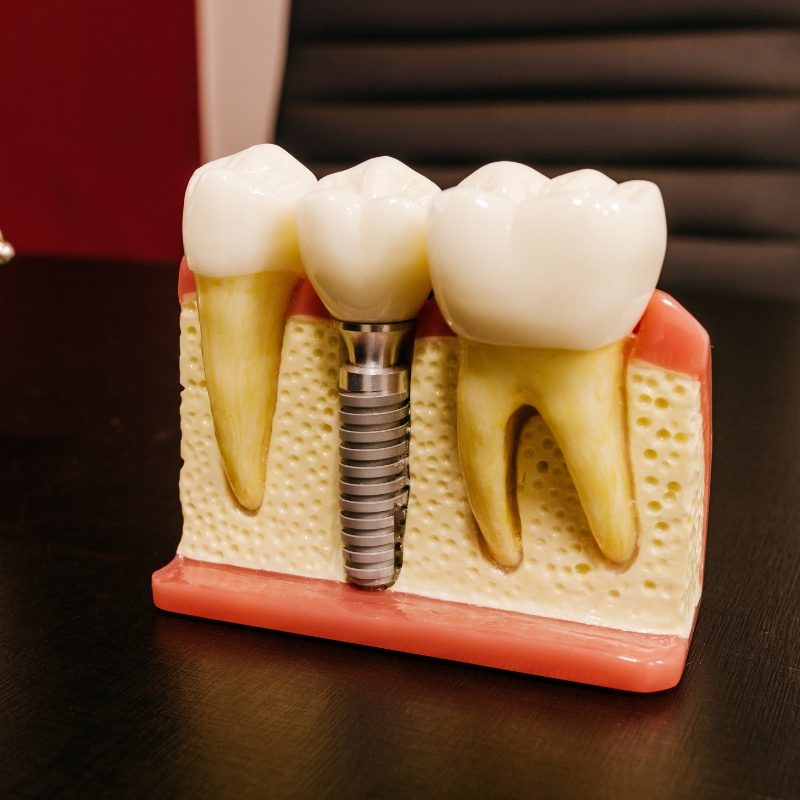
Early in any discussion, it helps to understand precisely what a dental implant involves. Our overview of a dental implant explains the core components if you need a refresher.
Biological Foundations
Jawbone density sets the scene long before the first drill touches bone. CBCT imaging reveals available height and width, guiding the decision to place an implant immediately or stage the procedure after grafting. Patients with a history of osteoporosis medication, uncontrolled diabetes or heavy alcohol consumption frequently show slower healing because microcirculation in bone and gingiva is compromised.
Genetics also influence collagen quality in gum tissue. Thicker, highly keratinised gingiva tends to resist recession, protecting the implant collar from bacterial challenge. Thin, delicate tissue may demand a connective tissue graft to create a stable cuff around the abutment. Surgeons in 2026 often capture digital scans of soft tissue thickness so they can simulate post-op architecture before committing to any graft.
Patient Lifestyle
Smoking remains the single most avoidable risk. Even with low-temperature plasma cleaning of implant surfaces, nicotine constricts blood vessels and limits oxygen delivery for the first critical weeks. Melbourne clinicians increasingly recommend a monitored cessation program for at least four weeks either side of surgery; compliance rates are improving now that nicotine sachets are widely available through community pharmacies.
Bruxism is another silent saboteur. High-resolution intra-oral scanners reveal wear facets long before a patient feels soreness. Occlusal guards fabricated from milled PMMA absorb lateral forces that can otherwise loosen the screw or micro-fracture crestal bone. Athletes often forget that intense training lowers salivary pH; sipping water rather than sports drinks after sessions keeps the oral environment less acidic, discouraging bacterial colonisation around the implant shoulder.
Surgical Technique & After-Care
Guided surgery templates, printed in biocompatible resin, now position the osteotomy to tenths of a millimetre. That accuracy protects adjacent roots and ensures the implant sits centred within the restorative envelope. For anyone asking, “are dental implants worth it?” one of the biggest advances in 2026 is real-time osseous density feedback. Torque-controlled motors record insertion data that helps clinicians decide whether to load a temporary crown immediately or allow a traditional three-month integration.
After surgery, patients leave with a QR-coded care plan that updates automatically as appointments approach. The most important instructions have not changed: gentle brushing with a soft micro-fibre head, chlorhexidine rinses twice daily for seven days and avoidance of chewy foods that twist the fixture.
Measuring Success Over Time
Success is no longer defined solely by implant survival. Contemporary metrics include marginal bone loss of less than 1.5 mm in the first year and under 0.2 mm annually thereafter, absence of bleeding on probing and patient-reported comfort scores. Digital periapical radiographs stored in cloud-based records allow pixel-accurate bone height comparisons year on year.
Peri-implantitis, once diagnosed mainly through late radiographs, is now often caught early by measuring sulcus fluid flow rate. Elevated flow indicates inflammation even when radiographs appear unchanged. Treatment may involve air-powder abrasive decontamination followed by application of 3 % hydrogen peroxide gel and, in stubborn cases, diode laser debridement. Timely intervention preserves the implant rather than replacing it—saving cost and bone volume.
Nutrition rounds out the long-game picture. Adequate vitamin D correlates with stronger secondary stability, while sufficient protein supports collagen turnover in soft tissue. Patients who track macronutrients with smartphone apps generally show cleaner plaque indices because diet awareness spills over into oral-care habits.
Conclusion
Dental implant success in 2026 rests on a partnership. Genetics and bone biology frame the opportunity, but lifestyle choices, surgical precision and disciplined maintenance determine the final outcome. Patients who stop smoking early, protect their bite, attend scheduled reviews and follow personalised hygiene plans enjoy the most predictable, comfortable results. For additional clinical guidance, Healthdirect offers an evidence-based outline of implant procedures and aftercare.