
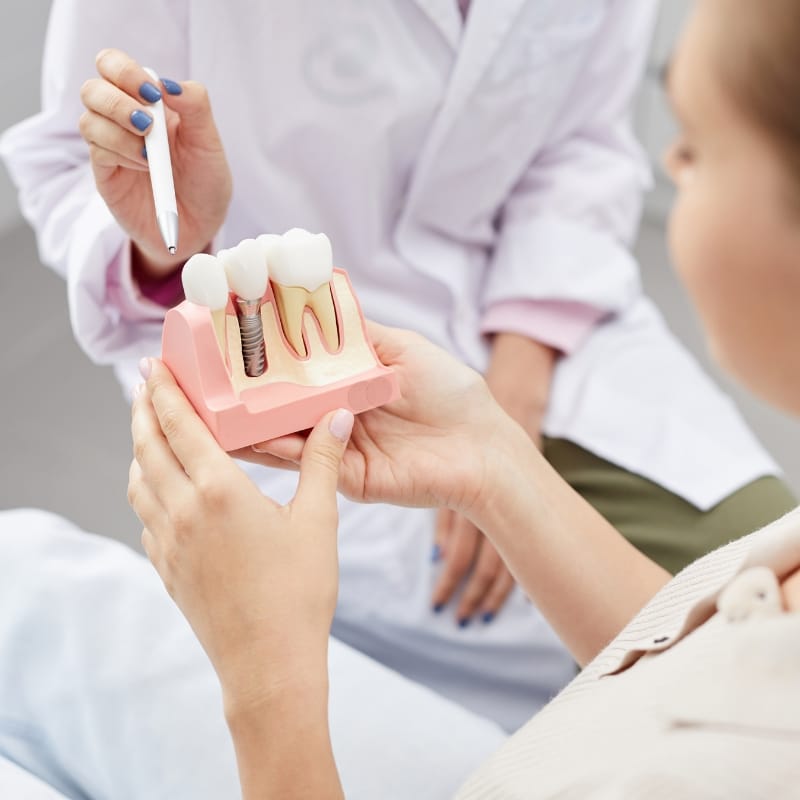
If you’re considering a single tooth implant in Melbourne, the big question is usually simple: “How long will this take from start to finish?” The honest answer is: it depends on your mouth, your bone, and whether anything needs to happen before the implant can be placed.
This checklist-style guide walks you through the timeline in plain English, allowing you to plan work, family commitments, meals, and follow-up visits with fewer surprises. It’s designed to help you understand:
• What happens at each step
• What’s normal after surgery
• What can extend (or shorten) the timeline
• What you can do to support smooth healing
For context, many single-tooth implant journeys can range from a few months to longer timeframes if extra steps (like grafting) are required.
The “Big Picture” Timeline (Consult to Final Crown)
A single tooth implant is usually a staged process:
• Planning + scans + health checks
• Implant placement (surgery)
• Healing/integration (bone bonding to implant)
• Abutment + crown (the visible tooth)
If you’d like a general Victorian consumer overview of dental treatment and what to expect from dental care, the Better Health Channel’s dental treatment information is a helpful reference.
A realistic Melbourne “range” to keep in mind
- Straightforward cases: often several months (commonly around the 3–6 month window, depending on your plan and healing)
- If grafting or extra prep is needed, it can extend significantly
- If timing is urgent: some patients may be candidates for earlier temporary options, but suitability matters
The point of the checklist below is to help you understand exactly which parts of your timeline are fixed (healing biology) and which parts are logistics (appointments, lab turnaround, scheduling).
Before You Start — The Pre-Treatment Checklist
This is the part people underestimate. Good planning can reduce delays later.
Your initial consult checklist
Bring or be ready to discuss:
• Your medical history (including diabetes, osteoporosis medications, and immune conditions)
• Smoking/vaping (even “social” use can matter for healing)
• Any history of gum disease, grinding/clenching, or jaw pain
• Current medications and supplements
• Your goals: “most natural look”, “fastest timeline”, “longest lasting”, or “budget certainty”
You’ll usually have imaging (often 3D scans) and a clinical exam to confirm:
• Bone volume and quality
• Gum health and stability
• Bite forces and space for the crown
• Whether the tooth needs extraction first, and when
Questions to ask at the planning appointment
Use these to avoid vague answers:
• “How many appointments should I expect from start to finish?”
• “Will I need an extraction first? If yes, can the implant go in the same day or later?”
• “Do you expect I’ll need bone grafting or gum grafting?”
• “Will I have a temporary tooth while we wait for the final crown?”
• “What are my aftercare rules for the first 72 hours?”
Timeline Scenario Check — Which Path Are You Most Likely On?
Most patients fit into one of these pathways:
Scenario A — Implant placed without extra bone work
Often, the most straightforward route is if the bone and gums are healthy.
Typical flow:
• Consult + planning
• Implant placement
• Healing/integration
• Final crown fitting
Scenario B — Tooth extraction first, then implant later
This may be recommended when:
• Infection needs to settle
• The socket needs time to heal
• Gum/bone conditions require a staged approach
Scenario C — Bone grafting or other pre-treatment needed
This can be recommended if:
• Bone volume is low
• The upper jaw/sinus area needs additional support
• The tooth has been missing for a long time, and the ridge has reduced
If you’re unsure which scenario you’re in, the fastest way to clarity is a consultation with a team that routinely performs single-tooth work, such as the services outlined for single tooth implants in Melbourne.
The Surgery Phase — What Happens “On the Day” (and the First 72 Hours)
Let’s break it into a practical timeline you can plan around.
48–24 hours before surgery
Do:
• Confirm transport plans (especially if sedation is involved)
• Stock your kitchen with soft foods (yoghurt, soup, scrambled eggs, smoothies)
• Prepare an ice pack and any prescribed medications
• Set up a “quiet day” plan (work, childcare, errands)
Avoid:
• Alcohol the night before
• Last-minute heavy exercise if you tend to swell easily
• “Testing” the area with hard foods if the tooth is sore/unstable
Surgery day checklist
Expect:
• Local anaesthetic (and possibly sedation depending on your plan)
• Implant placement into the jawbone
• Stitches in many cases
• Instructions for pain relief, mouth rinsing, and eating
Normal on the first day:
• Mild to moderate swelling
• Some oozing/spot bleeding
• Tenderness when chewing
• Fatigue (even if the procedure was straightforward)
First 72 hours after surgery (the “swelling window”)
Do:
• Use cold packs as advised (often in short intervals)
• Stick to soft, lukewarm foods
• Keep the site clean as instructed (gentle, don’t scrub)
• Take medications exactly as directed
• Sleep with your head slightly elevated
Avoid:
• Smoking/vaping
• Hot drinks in the earliest period if advised
• Hard, crunchy foods that can traumatise the site
• “Checking” the implant with your tongue or fingers
Healing and Integration — The Weeks-to-Months Middle Stage
This stage is where patience pays off.
Weeks 1–2 (soft tissue healing)
You’ll typically focus on:
• Keeping the area clean
• Avoiding pressure on the implant site
• Attending a review appointment if scheduled
• Staying consistent with gentle oral hygiene
You may notice:
• Stitches dissolving or being removed (depending on type)
• Swelling settling
• Comfort improving daily
Weeks 3–8 (settling into “normal”)
This is when many people feel “back to normal”, but the implant site is still healing internally.
Do:
• Keep regular cleaning habits
• Attend follow-up checks
• Avoid using the implant area to bite through tough foods unless cleared
Months 2–4+ (bone integration)
Many plans use the “around three months” mark as a common reference point for integration, but individual timelines vary.
Factors that can extend this phase:
• Bone grafting requirements
• Heavy bite forces or grinding
• Smoking/vaping
• Poorly controlled diabetes or immune issues
• Active gum disease
Crown Day — Abutment and Final Tooth Placement
Once the implant is stable, the visible part is designed and fitted.
What happens at the final stage
Typically:
• A connector (abutment) is placed or confirmed
• Impressions/scans are taken for the crown
• A custom crown is fitted and adjusted for bite comfort and aesthetics
You’ll usually have guidance on:
• Cleaning around the implant
• Follow-up timing
• Protecting the crown if you grind your teeth
The Practical Checklist — What to Plan for in Melbourne
Here’s the “life admin” side that makes the timeline feel smoother.
Work and time off
Many people can return to lighter duties quickly, but it depends on:
• Complexity of surgery
• Your comfort level
• Whether sedation was used
• Your job demands (talking all day, lifting, PPE, etc.)
Consider planning:
• A lighter day for surgery day and the day after
• A quiet weekend if you can schedule it that way
• Flexibility for follow-ups
Eating and social plans
Plan for:
• Soft foods for early healing
• Avoiding crunchy, seedy, or sticky foods initially
• Bringing a “safe” meal option if you’re out with friends
Budget certainty and fees planning
Implant timelines often include multiple steps (and sometimes multiple providers or lab stages), so it’s wise to understand costs early. A good place to start is reviewing dental implant fees in Melbourne and discussing what’s included in your plan.
What Can Delay a Single Tooth Implant Timeline?
Delays usually fall into two buckets: clinical and logistical.
Clinical reasons
- An infection that needs to settle
- Bone volume or density that requires grafting
- Gum disease that needs stabilising first
- Medical factors (e.g., healing capacity, medication interactions)
Logistical reasons
- Waiting for the lab turnaround on the crown
- Appointment availability across multiple stages
- Travel/work commitments (Melbourne busy periods can matter)
- Not following aftercare instructions (which can cause complications)
“What’s Normal?” After Surgery vs Red Flags
Usually normal
- Mild swelling for a few days
- Bruising (especially if you bruise easily)
- Tenderness on chewing
- Minor bleeding that stops with regular care
Call your clinic promptly if you notice
- Worsening pain after initial improvement
- Pus, bad taste, or strong ongoing odour from the site
- Fever or feeling unwell
- Implant feels loose or moves
- Bleeding that won’t settle with the advice you were given
If you ever feel unsure, it’s safer to get checked early than to wait.
Aftercare Checklist (This Is What Protects Your Implant)
A single tooth implant can be placed perfectly, but aftercare is what protects healing and reduces the risk of delays or complications. Always follow your clinician’s specific instructions first (they’ll be tailored to your case), and use the checklist below as a practical guide.
First 24 hours after surgery
Do:
• Rest and keep your day quiet
• Use cold packs as advised to reduce swelling
• Stick to soft, cool-to-lukewarm foods
• Take any prescribed medications exactly as directed
Avoid:
• Smoking or vaping
• Hot foods/drinks if you’ve been told to avoid them
• Heavy exercise, lifting, or anything that increases throbbing
• Touching the area with fingers or “checking” it constantly with your tongue
Days 2–3 (swelling window)
What’s common:
• Swelling and tenderness
• Mild bruising
• Light bleeding/oozing that settles with the advice you were given
Do:
• Keep meals soft (eggs, yoghurt, soup, pasta)
• Sleep slightly elevated if swelling bothers you
• Keep activity light (gentle walking is usually fine)
Days 4–14 (protect the site while it seals)
This is the phase where people often feel better, but the area is still healing.
Do:
• Chew away from the implant side unless cleared
• Keep your mouth clean exactly as instructed
• Attend any scheduled reviews
Avoid:
• Crunchy foods (chips, nuts, crusty bread)
• Sticky foods (toffee/lollies)
• “Testing” the implant area by biting into hard foods too soon
Oral hygiene during early healing
Follow your clinician’s instructions on what to use and when. Common guidance may include:
• Gentle cleaning around the area
• A recommended mouth rinse if advised
• Avoiding vigorous spitting or aggressive brushing right over the surgical site early on
If you’re unsure, ask your clinic what “gentle” should look like for your specific case.
Weeks 2–6 (transition back to regular routines)
Once your dentist confirms healing is on track, you’ll usually:
• Gradually return to normal brushing around the area
• Reintroduce firmer foods carefully
• Continue follow-ups as scheduled
If you clench or grind, consider getting a night guard—bite pressure can impact comfort and long-term maintenance.
Long-term implant aftercare (ongoing)
To keep your implant healthy:
• Brush twice daily
• Clean between teeth daily (floss/interdental brushes/water flosser—whatever suits you best)
• Keep regular professional cleans and check-ups
• Tell your dentist if you notice bleeding gums, swelling, or a sour taste around the implant area
When to contact your clinic urgently
Call your clinic promptly if you have:
• Bleeding that won’t settle with the instructions you were given
• Worsening pain after initial improvement
• Increasing swelling, fever, pus, or a persistent bad taste/odour
• Any feeling that the implant is loose or moving
Aftercare habits that protect your timeline
If your goal is a smooth path from surgery to crown, focus on:
• Consistent hygiene (as instructed)
• Soft foods, early and careful chewing
• Avoiding smoking/vaping
• Turning up to follow-up appointments
• Protecting the area from hard biting and clenching
Next Step :p If You Want a Clear Personal Timeline
A checklist is helpful, but your exact timeline depends on your specific bone and gum conditions, as well as any necessary pre-treatment. For a clearer idea of your likely stage-by-stage timeframe in Melbourne, consider consulting a trusted dental implant clinic in Melbourne.