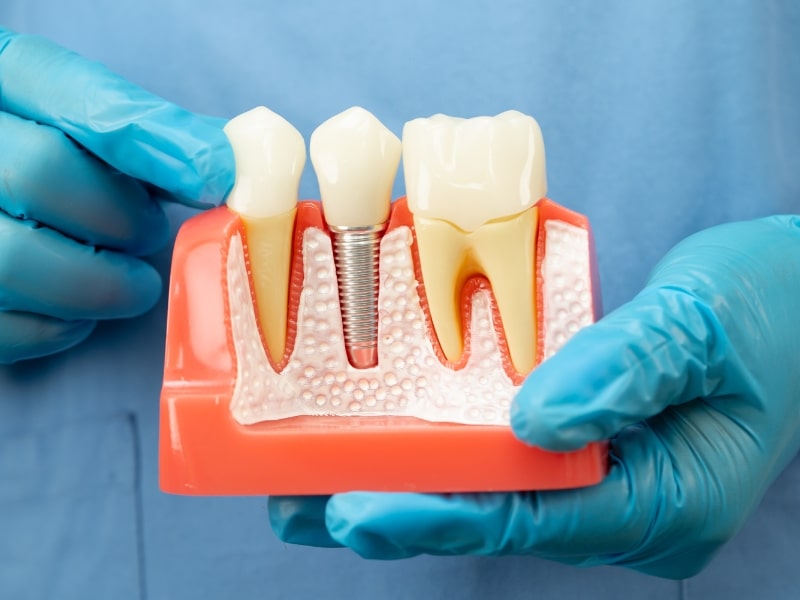
A dental implant offers a strong, lasting solution for missing teeth — but the road to full recovery depends heavily on your aftercare choices. Among these, your diet plays a crucial role. Many patients are surprised when their dentist recommends avoiding dairy products during the healing phase. This is because dairy can cause complications, such as clot disruption, inflammation, or slower healing, due to its components and consistency. This article explores how eliminating dairy can facilitate faster healing, reduce irritation, and enhance long-term implant success.
What happens during dental implant healing?
When you receive a dental implant, your body begins a natural process to integrate the implant with your jawbone and surrounding tissues. This critical phase involves several steps that must remain undisturbed to ensure success. Here are the key stages of implant healing:
- Clot formation begins immediately after surgery to protect the implant site and prevent infection, laying the foundation for a smooth early recovery.
- Inflammation and immune response help clear debris and begin soft tissue repair, which is essential for proper gum sealing.
- Within one to two weeks, the connective tissue stabilises around the implant, allowing a stronger bond between the gum and the metal post.
- Osseointegration occurs over several weeks as your bone fuses with the implant, forming a secure, load-bearing anchor.
Disruptions at any stage — such as through certain foods — can delay or damage this process. That’s why dietary discipline matters in the early days following surgery.
Why do dentists recommend avoiding dairy after a dental implant?
Dentists advise patients to avoid dairy after implant surgery because it may complicate or prolong recovery. Rather than aiding nutrition, dairy can interfere with wound stability and tissue healing in this sensitive period. Here are the main reasons dairy should be avoided:
- Dairy is often consumed cold, and extreme temperatures can interfere with clotting and tissue repair in the surgical area.
- Milk proteins and fermentation in the mouth may disrupt the oral microbiome, delaying healing and increasing the risk of infection.
- Some individuals experience low-grade inflammation due to dairy, which can put unnecessary stress on already delicate gum tissues.
- Full-fat dairy can coat the mouth, reducing the effectiveness of oral hygiene and making bacteria harder to remove, which increases the risk of complications.
To protect the surgical site and promote a smoother recovery, it’s best to avoid dairy and opt for gentler food alternatives during this time. This early healing phase is also where complications can arise if you’re not clear about procedures — especially for those wanting to learn more about dental implants.
How long should you avoid dairy after a dental implant?
You should avoid dairy for at least one week after a dental implant, and possibly longer depending on how your body heals. The soft tissue needs time to recover, and the implant requires a stable environment. Here are the standard timeframes for reintroducing dairy:
| Phase of Healing | Diet Recommendation |
| First 24–72 hours | Stick to soft, non-acidic, non-dairy foods and lukewarm fluids only |
| First week | Continue avoiding dairy while focusing on hydration and healing foods |
| Weeks 2–3 | If gums are no longer tender or swollen, try small amounts of mild dairy |
| After 4–6 weeks | If the implant is stable and confirmed by your dentist, return to a regular diet |
Here are the recovery phases you should consider:
- In the first three days, prioritise clot stability — this is the most vulnerable phase.
- During the first week, healing tissues are still forming and may react poorly to dairy.
- In weeks 2 to 3, mild dairy may be reintroduced if your mouth feels stable and pain-free.
- After a follow-up check, a gradual return to your regular diet, including dairy, is usually safe.
Budgeting for your implant procedure can be part of this journey too — especially when considering understanding full dental implant costs before committing to your plan.
What can you eat instead of dairy during recovery?
Numerous safe and nutritious alternatives to dairy support your healing without irritating. These foods are soft, nutrient-rich, and easy on your healing gums. Here are the foods to enjoy during recovery:
- Smooth porridge made with almond or oat milk gives you fibre and warmth without dairy irritants.
- Mashed pumpkin or sweet potato delivers antioxidants and is easy to eat without disturbing healing tissue.
- Soft scrambled eggs offer protein and energy with minimal effort to chew or swallow.
- Blended vegetable soups, such as those made from carrots or zucchini, are nourishing and ideal for hydration and tissue repair.
- Applesauce, stewed pears or mashed banana offer gentle fibre and vitamins without acidity or sharp textures.
These foods help you stay energised and comfortable during recovery. They’re also suitable if your treatment involves more advanced procedures, like when full denture implants are used, which may extend the dietary adjustment period.
What eating and lifestyle mistakes should you avoid after a dental implant?
The weeks after dental implant surgery require caution, especially when it comes to your eating and daily habits. Simple mistakes can cause unnecessary delays or complications in your healing process. Here are the mistakes to steer clear of:
- Biting hard or crunchy foods like toast, chips or raw vegetables — they can disrupt tissue integration and hurt your implant.
- Drinking icy beverages or consuming very hot foods can damage delicate healing tissue and cause inflammation.
- Smoking or vaping severely restricts blood flow and raises the risk of implant failure due to poor oxygen delivery.
- Not brushing carefully — neglecting oral hygiene or brushing too aggressively — can both disturb healing and promote infection.
- Using straws or applying suction when drinking can dislodge early clots and interrupt recovery.
Understanding broader oral health dynamics can help reinforce good habits — insights from studies on early childhood oral health are surprisingly valuable for adult oral health practices as well.
When can you return to a regular diet after a dental implant?
You can usually return to your regular diet between four and six weeks after the implant, depending on how well the implant has integrated and how stable your gums feel. This should always follow a professional check-up. Here are the signs you’re ready for normal eating:
- No soreness, swelling, or irritation when eating soft foods.
- Ability to bite down lightly without discomfort or pressure around the implant site.
- Your dentist confirms that osseointegration is progressing well and the implant is securely in place.
- Your oral hygiene routine feels normal again, with no bleeding or sensitivity during brushing or flossing.
Start with softer versions of your usual foods and gradually reintroduce more complex textures. If unsure, continue to avoid foods that require heavy chewing or cause gum strain. This transition also applies to dairy — start with small amounts and observe your body’s response.
Final Thoughts on Avoiding Dairy After a Dental Implant
Skipping dairy after a dental implant isn’t just a caution — it’s a valuable measure that can support faster, smoother healing. As your tissues recover and bone bonds with the implant, reducing possible irritants like dairy helps prevent setbacks. Once your dentist gives the all-clear, feel free to reintroduce foods thoughtfully. For personalised advice based on your healing progress, please contact the support resources at High Dental Implants Melbourne.