
Missing most or all of your teeth can make simple tasks like eating, speaking, or smiling a real hassle. Traditional dentures help, but slipping or rubbing often chips away at confidence. A complete denture implant provides a more secure foundation that behaves much more closely to natural teeth. This article examines when a complete denture implant proves worthwhile, identifies factors that can increase costs, and discusses how to balance comfort, healing time, and everyday practicality.
Full-arch implant treatments, often referred to as “full mouth” or “full denture” implants, aim to restore an entire jaw with a stable, fixed solution. But not everyone is automatically a candidate. Bone quality, gum health, general medical history and even medications can affect whether you’re suitable — and what type of implant system will work best for you.
Why do many people search for the full denture implant cost?
People often start looking into full denture implant costs because traditional dentures can become unreliable when bone levels change or the denture bases loosen. The worry that dentures might shift mid‑conversation, or the dread of adhesives failing at a barbie, prompts many to investigate a more stable solution. Here are common triggers that send people down that path:
- Fear that dentures will keep loosening over time as the jawbone recedes or changes.
- Embarrassment when dentures move unexpectedly during social events or work presentations
- A strong wish to chew confidently without messy adhesives or fear of dentures dropping out
- Long‑term budgeting needs — especially if you’re saving for retirement, school fees or renovations
As people crunch numbers, they sometimes come across the option of a whole set of dental implants. Over a decade, that relative upfront expense may balance out when compared to recurring reline or repair bills tied to removable dentures.
What issues lead patients to explore denture implant prices?
Many denture wearers endure shifting plates or irritation for far too long. Initially, you might think it’s no big deal — but after a while, sore gums, food slipping under the denture, or slipping while chewing tough foods can become downright uncomfortable. That’s when it becomes clear something stronger and more dependable might be worth considering. Here are the frustrations that tend to push people towards implant‑based options:
- Dentures slipping when biting into hard or chewy food, like steak or crusty bread
- Constant soreness or ulcers under the denture base that never seem to heal properly
- Reliance on adhesives for nearly every meal to feel secure — adhesive costs piling up over time
- Feeling self-conscious during conversations or photos because dentures don’t feel stable
At this point, many people look into full denture implant options in Melbourne. They compare stability, comfort and long-term cost before deciding whether implants might be worth the extra investment.
How does the cost of full mouth denture implants vary between clinics?
Cost differences between clinics can range from modest to steep, depending on a variety of factors — and delving into those can feel overwhelming. Material choices, number of implants, lab work and aftercare all contribute to wide variations. That’s why two quotes that sound similar on paper may mask very different realities.Here are the main elements affecting price variation between providers:
- Type of final teeth used — from basic acrylic to higher‑end hybrid or ceramic prostheses
- Number of implants per arch — simpler cases might need fewer implants, complex situations may require more support
- Planning complexity — whether you receive standard X‑rays or full 3D digital scans and trial fittings
- How much follow-up care, maintenance or adjustments are included in the package
| Description | Streamlined package | Comprehensive package |
| Planning | Basic X‑rays and impressions | 3D digital scans, trial setup, custom planning |
| Number of implants | Minimum number where viable | More implants for added support in complex cases |
| Final prosthesis | Acrylic full‑arch denture | Upgraded hybrid or ceramic full‑arch prosthesis |
| Aftercare and maintenance | Limited review visits | Structured ongoing maintenance program included |
In Melbourne, costs tend to rise when more implants are required per arch, or when a hybrid or ceramic bridge replaces standard acrylic. Additional appointments, digital scans, and extended follow‑up schedules also shift the cost bracket. To help clarify what’s included in a quote, it’s worth comparing implant-supported dentures with full denture implant treatment. That comparison shines a light on what’s standard and what counts as extras — which helps avoid nasty surprises down the track.
Which treatment steps influence the overall treatment expenses?
A full denture implant isn’t a one‑size‑fits-all process. Costs accumulate in stages — from diagnostics to surgery to finishing touches — and every patient’s journey can be quite different. Understanding these steps helps anticipate what’s coming and avoid feeling blindsided. Here are the typical treatment stages that shape total expenses:
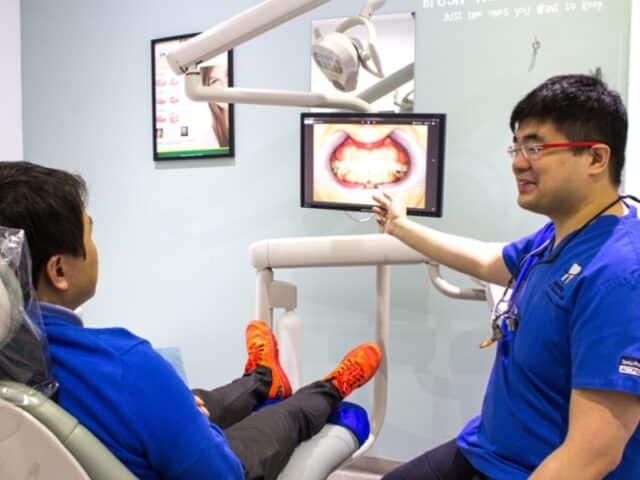
- Initial consultation, photographic records and scans to assess bone density, gum health and jaw alignment
- Preparatory procedures if required — for example, bone grafting or extractions, before implants can be placed safely
- Implant surgery and healing phase, sometimes including temporary dentures while your bone integrates with the implants
- Final prosthesis fabrication, fitting and adjustments to ensure comfort and proper bite alignment
- Post‑operative visits for maintenance, checking screw tightness, gum health or adjustments to the prosthesis fit
Healing times vary, but many patients require several months for the implants to fully integrate with the bone before the final teeth are fitted. For many patients, learning about how to care for new dentures becomes part of the plan — regular cleanings, careful hygiene and check‑ups extend the lifespan of the implants and prosthesis. Although upfront costs may be higher, including all these stages at the start often avoids extra surprises later.
As with any surgical procedure, full arch implant treatments carry risks such as infection, delayed healing, and potential implant failure. Your general health, medications, and smoking habits can influence these outcomes, which is why planning and follow‑up matter.
How do patients compare long-term stability when reviewing replacement teeth options?
Long-term stability is a key factor for many when considering replacement teeth. The dream is waking up with confidence — knowing your teeth won’t move when eating, laughing, or chatting with friends. For this reason, the comparison often goes beyond price and shifts toward reliability, maintenance effort and how natural the result feels. Here are key factors people consider when measuring stability over the long haul:
- How firmly the teeth stay in place during everyday chewing and talking
- Whether teeth are fixed or removable, and how that affects cleaning routines and comfort
- The quality and health of the underlying bone and gum tissue, which influence implant success and longevity
- The role of regular maintenance visits is to catch and fix minor issues before they escalate
Even with a fixed complete arch prosthesis, routine professional cleaning and periodic checks for screw tightness, wear, and gum health remain essential. Many people who commit to implant-supported dentures report a more potent bite force, improved speech clarity, and a confidence boost when socialising. Others may choose a simpler denture if health concerns or cost make implants less suitable. Either way, thinking about stability not just for months but for years often leads to a clearer picture of what suits best.
Final thoughts on choosing a full denture implant
Choosing a complete denture implant isn’t a spur‑of‑the‑moment call — it’s more like setting a new course for long-term oral health, comfort and confidence. Weighing up stability, bone preservation, maintenance and lifestyle needs helps land on a decision that suits lasting wellbeing. If you’d like tailored guidance, insights from High Dental Implants Melbourne might help you decide whether a complete denture implant aligns with your goals and oral health history.