

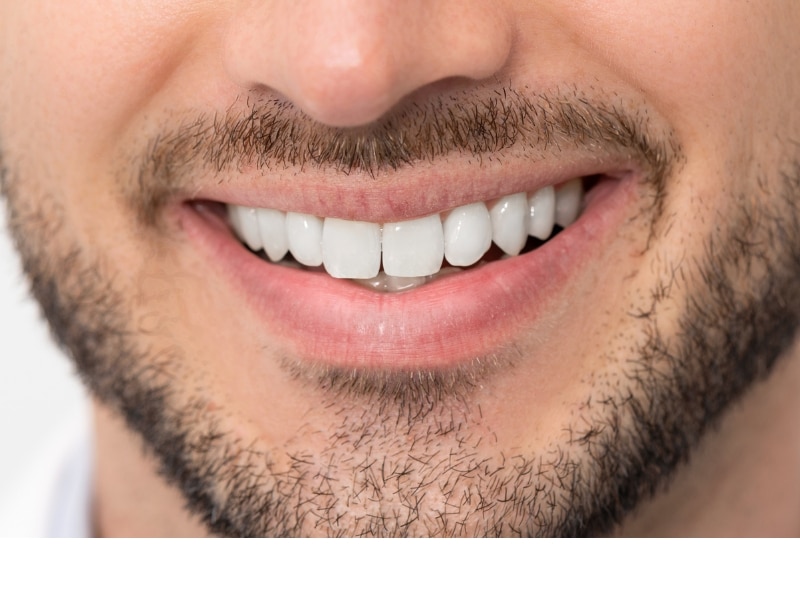
Deciding between dentures and dental implants requires a clear understanding of how each performs day-to-day and over the long term. Dentures, commonly referred to as false teeth, rest on the gums and can be removed, while implants anchor directly into the jawbone for a fixed solution. Each path offers unique advantages and drawbacks in terms of comfort, maintenance, and oral health. This article examines the key differences between false teeth and dental implants to help you determine which option works best for your lifestyle and long-term dental health.
What everyday issues arise when false teeth don’t fit securely?
Loose or ill-fitting dentures often lead to discomfort and everyday frustrations. Many people struggle when their dentures slip or shift during eating or speaking. Here are the most frequent problems caused by poorly fitting dentures:
- Constant gum irritation or sore spots when dentures rub against soft tissue as you chew, speak or laugh.
- Diminished chewing efficiency and strength make it awkward to bite into firm foods or enjoy crunchy textures.
- Speech disturbances, such as slurred words or clicking sounds when dentures move at the wrong moment.
- Frequent need for adhesives or refits, which feels inconvenient and adds time to daily oral care routines.
When dentures move unpredictably, simple tasks like eating or chatting become troublesome. That instability pushes many to value the steady reliability offered by dental implant affordable options anchored firmly into the jawbone. Choosing a secure solution gives peace of mind for everyday living and long-term confidence in your smile.
How does jawbone loss affect long-term tooth replacement results?
Jawbone deterioration after tooth loss reshapes how healthy replacements work and how natural your mouth feels. Dentures don’t stop bone shrinkage because they don’t stimulate the jaw, while implants can preserve bone structure and facial shape. Here are the ways jawbone loss shapes long-term dental outcomes:
- Facial collapse or sunken cheeks occur as underlying bone volume reduces, and dentures stop fitting correctly.
- Frequent denture adjustments or relines are necessary because bone shrinkage alters oral contours, requiring repeated maintenance.
- Reduced denture stability, increasing the likelihood of slipping or discomfort as the jaw reshapes.
- Loss of biting power and oral support, since the foundation that holds dentures weakens over time.
Relying solely on dentures can lead to progressive bone loss, which affects appearance, fit, and comfort over time. The dental implant pricing guide helps you understand the investment required to stave off long-term issues and maintain jawbone health. Recognising the benefits of one preservation boftenshifts the balance in favour of implants when longevity matters most.
When does a newly restored tooth provide better comfort than removable options?
A newly implanted tooth regularly delivers stronger comfort and a natural feel compared with dentures, especially once eating or speaking begins. Implant-supported teeth act like natural teeth rather than foreign inserts. Here are the comfort gains that come with implant restorations:
- No sore spots or gum irritation, since implants bypass soft tissue entirely and engage directly with bone.
- More natural bite pressure and sensation, allowing you to enjoy hot foods, chew with ease and sense textures confidently.
- Stable and slim fit, without bulky acrylic bases, meaning implants feel more like real teeth and less like a prosthesis.
- No nightly removal or adhesive is needed, saving time and reducing hassle compared to removable dentures.
Smooth, stable comfort day after day often wins favour for implants over dentures. For many people, the switch feels like reclaiming normal mouth function through a complete denture implant procedure, especially when dentures no longer perform as hoped. That reliable comfort and natural feel tend to transform everyday routines for the better.
Which features of false teeth vs. dental implants matter most for daily function?
Issues of functionality as much as comfort. Stability, maintenance, chewing force, and longevity shape how your mouth performs day in and day out. Implants and dentures differ across every one of these key areas.
| Feature | False Teeth (Dentures) | Dental Implants |
| Stability | Can shift or loosen over time | Fixed firmly in bone, no slipping |
| Cleaning routine | Remove and soak daily | Brush and floss like natural teeth |
| Chewing power | Lower bite strength | Near‑natural bite and force |
| Longevity | Need relines or replacements | Often lasting 15+ years or more |
| Bone preservation | Does not prevent bone loss | Maintains bone structure and density |
Here are the functional aspects that influence everyday tooth replacement choice:
- The daily cleaning workload is lighter with implants, as they avoid the need for soaking and adhesives required by dentures.
- Bite effectiveness remains true to natural teeth with implants, letting you enjoy tougher foods without worry.
- Speech and comfort remain reliable because implants don’t shift when talking, laughing, or moving.
- Long-term durability reduces future maintenance and replacement needs, making implants often more cost-effective over the long term.
Examining these factors brings clarity about which option best fits your lifestyle, eating habits, and oral health ambitions. Evaluating available dental treatment options highlights how implants excel when function and longevity are top priorities.
How can exploring your tooth replacement options guide your decision?
Taking the time to compare dentures and implants ensures that your final choice aligns with your personal needs and dental health objectives. Everyone’s mouth, bone health, budget and lifestyle differ — so understanding options prevents regret later. Here are steps to help direct your tooth replacement decision:
- Reflect on long-term goals: value of permanence, bone preservation and reduced maintenance over convenience.
- Assess current jawbone health, since implants depend on sufficient bone density and may require grafting if bone loss is present.
- Balance the upfront cost against the long-term benefits, considering how many years of comfort and stability implants can provide.
- Have a thorough consultation with a dentist to weigh your priorities, review your medical history, and discuss your maintenance commitment.
Taking a careful decision path helps avoid unnecessary refits, discomfort or repeated costs. Considering total expenses over time and practical everyday living often reveals which solution truly fits best.
Final thoughts on choosing between false teeth and dental implants
The choice between false teeth and dental implants hinges on long-term comfort, jawbone health, maintenance commitment and lifestyle suitability. While dentures provide a quick fix, implant solutions often offer better stability, preserve bone, and provide steady support for daily function and appearance. For tailored advice that suits your mouth and lifestyle, get in touch with High Dental Implants Melbourne — experts who can assess your needs and help guide your choice purposefully.