
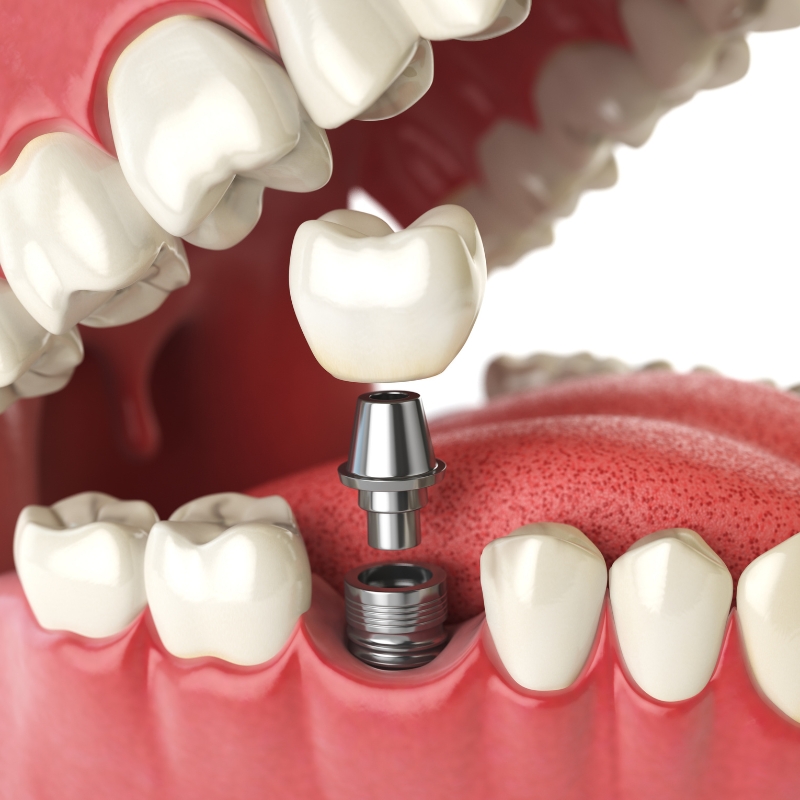
Replacing a missing tooth isn’t just about filling a gap. The decision influences how you chew, speak and even feel about smiling every day. Before you book surgery for a single tooth implant, it pays to get across a few essentials: who is a good candidate, what the process involves, how much time you’ll need to set aside and the kind of aftercare that locks in long-term success. This overview answers the questions we hear most often from Melbourne patients who are almost ready to enquire about getting a single tooth implant in Melbourne.
Ideal Candidates
Healthy gums and sufficient jawbone are the two non-negotiables for an implant. If you’re a regular smoker, have poorly controlled diabetes or take medications that slow healing, let your dentist know upfront. None of these factors rules you out automatically, but they do change how we plan surgery.
Age matters less than bone quality. We routinely treat people in their 20s through to their 70s. The key is whether the bone around the missing tooth can hold a titanium fixture firmly. A 3-D CBCT scan confirms this in minutes. If the bone looks thin, a minor graft or a narrower “tissue level” implant may solve the problem without adding months to treatment.
Cost and Rebates
Patients often fixate on the surgery fee alone, yet there are three parts to every quote:
| Component | Typical Range* | Notes |
| Surgical placement | Varies by complexity | Includes fixture, materials, sterile kit |
| Abutment and crown | Depends on lab work | Custom-made to match neighbouring teeth |
| Reviews and X-rays | modest | Usually two follow-up visits |
*Actual figures differ from clinic to clinic; ask for an itemised plan.
Private health extras may rebate a portion of the crown, but rarely the surgical component. If you hold Department of Veterans’ Affairs cover, different rules apply—bring the card to your consultation. For everyone else, tax-deductible payment plans spread the cost over six to 18 months. Just read the interest rate fine print before signing.
Procedure at a Glance
An uncomplicated single-tooth implant usually takes two chair visits plus short reviews.
- Planning appointment
Digital scanning records bite pressure and gum contours. We also colour-match your neighbouring teeth so the final porcelain crown blends in. - Surgical placement
Under local anaesthetic (and optional IV sedation), the titanium fixture goes into the bone. You walk out with a small healing cap, not a loose space. - Osseointegration
Over roughly three months, bone fibres lock around the implant. During this time, avoid biting directly on the healing cap and keep up meticulous cleaning. - Abutment and crown
Once the X-ray shows full integration, a zirconia or porcelain-fused-to-metal crown is torqued onto the abutment. No cement is used, making future maintenance simpler.
After-Care Essentials
Long-term success hinges less on surgical skill and more on what you do at home:
- Daily cleaning
Floss or use interdental brushes around the implant. Plaque here behaves the same as anywhere: leave it, and you risk peri-implantitis. - Six-monthly maintenance visits
Hygienists use titanium-friendly instruments to avoid scratching the fixture. A quick torque-check confirms nothing has loosened. - Mouthguards for grinders
Night-time clenching transfers huge force onto implant crowns. A slim custom guard costs little compared with repairing a fractured porcelain surface.
Lifestyle tweaks also matter. Heavy smoking delays gum healing, while uncontrolled diabetes triples the risk of late implant failure. Understanding the dental implant healing stages can help you appreciate why stable overall health is important. If either applies, ask your GP about strategies to stabilise your health ahead of surgery.
Choosing a Local Dentist
Skill and technology vary between practices, but there are concrete markers of quality:
| Question to Ask | Why It Matters |
| Do you place and restore in-house? | Continuity means fewer appointments and consistent records. |
| What brand of implant system do you use? | Reputable systems have spare parts decades later, safeguarding maintenance. |
| Will you show my case on 3-D planning software? | Visualising nerve positions improves safety, especially in the lower jaw. |
| How many single-tooth implants did you complete last year? | Experience correlates with fewer complications. |
Look for clinics accredited under the National Safety and Quality Health Service Standards; the audit ensures infection-control protocols are met. For independent background reading, the Healthdirect guide on dental procedure explains common risks in plain language.
Final Word
Tooth implants solve more than an aesthetic problem—they preserve bone, stop neighbouring teeth drifting and restore confident chewing. Melbourne patients who walk in informed about candidacy, costs, procedure stages and after-care tend to breeze through the journey with minimal surprises. Use the points above as a checklist when you speak with your dentist, and you’ll be set for a smooth, long-lasting result.